
Choosing a Candle for Meditation
· 2 min read
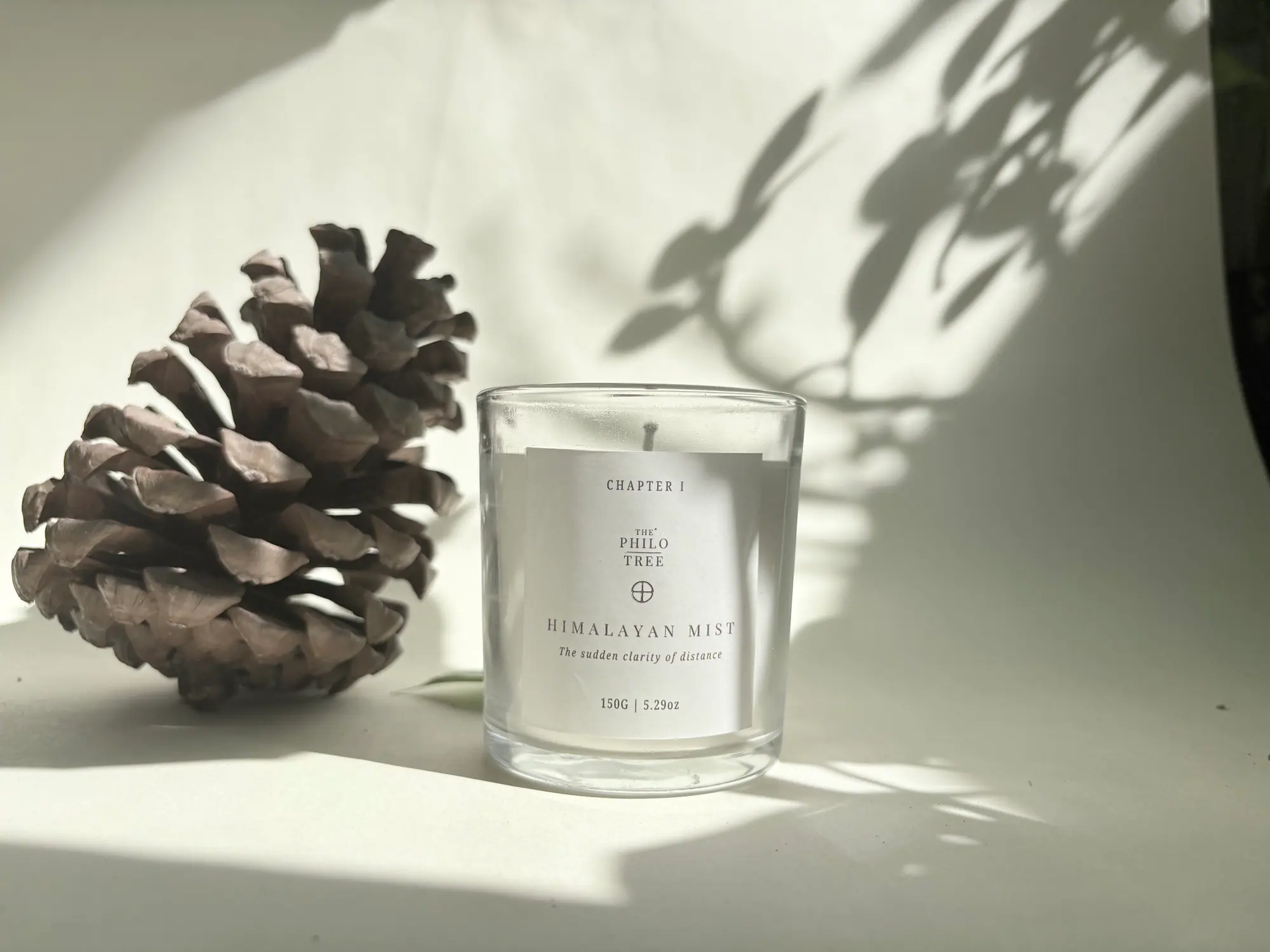
Lighting a candle before you sit down to meditate does two things. The flame gives your eyes somewhere to rest, and the scent becomes a cue: after a few weeks, the smell alone starts to tell your mind it's time to slow down.
What makes a good meditation candle
- A simple, calm scent. Busy, sweet or heavy fragrances pull your attention. Herbs and woods work better.
- A steady flame. A clean-burning soy candle with a trimmed wick barely flickers, which matters if you use the flame as a focus point.
- Low smoke. You're breathing slowly and deeply, so a candle that doesn't produce soot is worth paying for.
Scents that work well
- Lavender. The most familiar calming scent, and for good reason.
- Cedar and sandalwood. Woody and grounding.
- Sage. Clean and herbal, long used in rituals of clearing a space.
Himalayan Mist brings lavender, sage, pine and cedar together. It's our pick for a morning practice or a quiet few minutes before bed. If you prefer something softer, Linen Grove is light and clean and stays in the background.
Using a candle as a focus point
Trataka, or candle gazing, is a traditional practice of softly watching a flame.
- Sit comfortably with the candle at eye level, about an arm's length away.
- Look at the flame without straining, blinking normally.
- When your eyes tire, close them and notice the after-image.
- Start with a minute or two.
Keep the room still. A fan or open window makes the flame jump and breaks your focus.
Safety
- Never meditate with a candle near curtains, cushions or loose clothing.
- Put it on a flat, heat-safe surface.
- Blow it out before you lie down for savasana or fall asleep.
Building the habit
Same time, same place, same scent. Within a couple of weeks, lighting the candle becomes part of the practice itself. It's one of the small moments we make our candles for.
Keep reading
Guides · 2 min read
Why Your Candle Is Tunnelling, and How to Fix It
Candle burning a hole down the middle and leaving wax on the sides? Here's why tunnelling happens, a simple foil trick to fix it, and how to stop it next time.
Guides · 2 min read
Candles as Wedding Return Gifts Guests Actually Keep
Thinking about candles as wedding return gifts or favours? Why they work, how to choose a scent for a mixed crowd, and simple ways to make them feel personal.
Guides · 2 min read
Secret Santa Gifts Under ₹500 That Don't Feel Cheap
Stuck on a Secret Santa gift under ₹500? Why a good scented candle works for almost anyone at the office, and how to pick a scent you can't get wrong.